Specially developed to solve severe corrosion, wear, and structural load challenges in the Algiers industrial and coastal environments.
A comprehensive analysis of global advancements, localized application scenarios, and supply chain optimizations between China and North Africa.
In modern manufacturing, surface engineering serves as the primary barrier against premature substrate degradation. Electroless Nickel Plating (ENP), an autocatalytic chemical reduction process, has emerged as a cornerstone technology for protecting vital metallic substrates. Unlike traditional electroplating, which relies on external electrical currents and suffers from non-uniform thickness distributions on complex geometries, electroless nickel processes deposit a highly uniform, amorphous nickel-phosphorus alloy coat. This reaction is driven by the reduction of nickel ions using sodium hypophosphite in a controlled aqueous solution.
For the rapidly expanding industrial sectors in the Algiers market (encompassing petrochemical installations, coastal maritime operations, water treatment facilities, and automotive assembly lines), ENP offers critical mechanical, chemical, and physical advantages. By controling the phosphorus percentage within the deposited alloy—ranging from ultra-low phosphorus (1–3% P) to mid-phosphorus (6–9% P) and high-phosphorus (10–13% P)—engineers can customize coatings to withstand high-salinity marine environments, abrasive Saharan dust conditions, and high-temperature hydrocarbon extraction pressures.
The metropolitan region of Algiers, serving as the economic engine of Algeria, presents a challenging environment for structural and mechanical metals. Geographically positioned on the Mediterranean coastline while acting as the primary logistical corridor to Algeria's inland oil and gas extraction fields (such as Hassi Messaoud and Hassi R'Mel), the region's industrial equipment must survive two distinct environmental threats:
On a global scale, the demand for electroless nickel is rising due to the growth of the semiconductor, aerospace, and electric vehicle (EV) markets. Modern electrical components require non-magnetic and highly solderable coatings, while the global energy sector needs stable coatings for deepwater extraction systems. Meeting these demands requires strict adherence to international quality standards, including ASTM B733, ISO 4527, and MIL-C-26074.
Choosing the correct phosphorus concentration in the nickel matrix is critical for matching the coating's properties to the specific demands of your application. The table below outlines the core properties and typical applications for each phosphorus class:
| Alloy Class | Phosphorus content (wt. %) | Hardness (As Deposited / Heat Treated) | Corrosion Resistance | Magnetic Properties | Key Applications in Algiers |
|---|---|---|---|---|---|
| Low Phosphorus (e.g., J0-1) | 1% – 3% | ~700 HV / 950–1050 HV (at 400°C) | Moderate (Excellent in hot alkaline media) | Magnetic | Mining drill bits, valve seats, oilfield sand-handling pumps, hydraulic cylinders. |
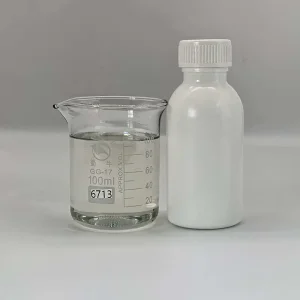
| Medium Phosphorus (e.g., HITEC EN 6713) | 6% – 9% | ~580 HV / 850–950 HV | Good general corrosion barrier protection | Slightly magnetic | Automotive transmission parts, mechanical gears, structural brackets, consumer electronics. |
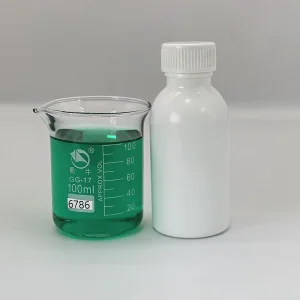
| High Phosphorus (e.g., HITEC EN 6786) | 10% – 13% | ~480 HV / 800 HV | Excellent (Exceeds 1000 hours salt spray) | Completely Non-magnetic | Subsea petroleum pipelines, marine pump housings, chemical storage tanks, electronic shielding. |
For industrial procurers in Algiers, sourcing chemistry from SUZHOU HIYIE CHEMICAL CO., LTD offers major cost, quality, and delivery advantages. With R&D centers in Wuhan and Shanghai, and sales networks covering China's major industrial zones, Hiyie delivers world-class chemical formulations directly to North African ports.
Chinese smart chemical manufacturing offers key benefits:
Our electroplating and electroless nickel technologies are widely used across the industrial and commercial sectors of the Algiers metropolitan area:
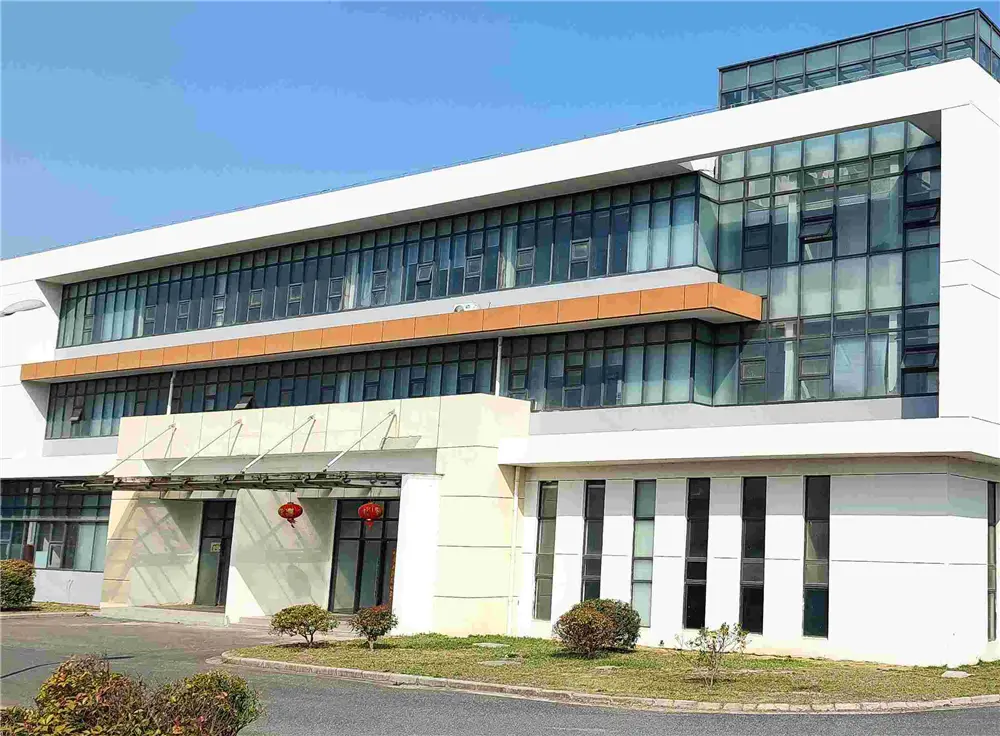
SUZHOU HIYIE CHEMICAL Co., LTD offers a comprehensive product portfolio covering consumer electronics, communication equipment, the semiconductor industry, automotive hardware, craft gifts, and more. The company has collaborated with multiple domestic and foreign chemical companies and universities to establish a mobile R&D center dedicated to solving technical challenges in the industry.
Since its establishment, the company has set up R&D institutions in Wuhan and Shanghai. Its marketing network covers the Pearl River Delta, Yangtze River Delta, and Bohai Rim regions. Its products are widely used and recognized by many well-known domestic and foreign companies, earning the company a strong reputation and a wide international market.
Our commitment to quality, research, and customer success drives our global partnerships.
We attract and train leading sales, R&D, and customer service talents to support our global clients.
Our flexible R&D mechanism allows us to develop customized formulas that meet specific customer requirements.
We develop modern chemical solutions focused on both high industrial performance and environmental protection.
Our professional technical and sales support teams provide reliable assistance from product trial to full production.
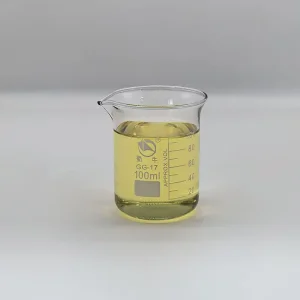
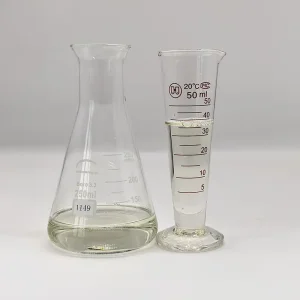
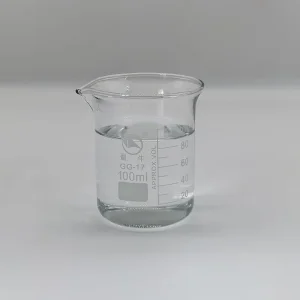
A full range of high-stability electroplating concentrates, passivation agents, and additives for manufacturing in Algiers.
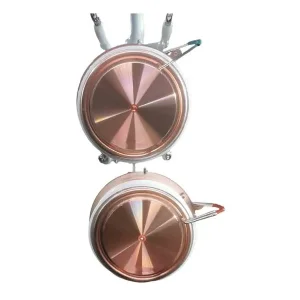
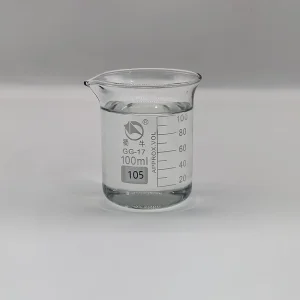
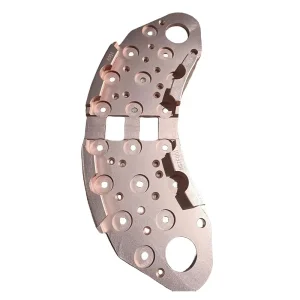
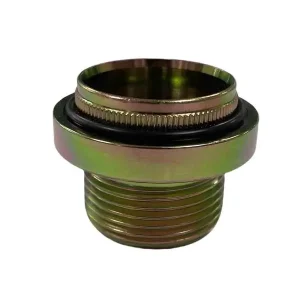
Follow Suzhou Hiyie's company developments and cultural updates.

The Snake ushers in blessings as we bid the old year farewell; The Horse brings spring as we embark on a new journey. The New Year bell rings the prelude to progress as we continue delivering top-tier plating solutions to our partners worldwide.
Technical answers to common questions about selecting, processing, and maintaining electroless nickel coatings.
Unlike electrolytic plating processes that require an external electrical current, electroless nickel plating is an autocatalytic chemical reduction process. In an ENP bath, nickel ions are reduced onto the substrate surface using a chemical reducing agent, typically sodium hypophosphite. This chemical mechanism ensures a uniform coating thickness across all surfaces—including complex internal cavities, deep recesses, and threaded details—regardless of part shape.
High-phosphorus coatings (containing 10–13% phosphorus by weight) form an amorphous, glass-like alloy matrix with no grain boundaries. This structures prevents corrosive chloride ions ($Cl^-$) from finding paths to attack the underlying steel. Our HITEC EN 6786 is designed for high-salinity marine environments, easily exceeding 1000 hours of salt spray testing (per ASTM B117) to provide reliable corrosion protection for coastal equipment.
Yes. Baking the parts at temperatures between 350°C and 400°C for 1 to 2 hours initiates a precipitation hardening phase, forming nickel phosphide ($Ni_3P$) crystals within the alloy matrix. This heat treatment increases the coating's hardness from its as-deposited state to up to 1000 HV (equivalent to hard chrome). For abrasive applications like sand-handling pumps, this heat treatment process is highly recommended.
We formulate our modern electroless nickel solutions (such as the HITEC series) to be lead-free and cadmium-free, ensuring compliance with international directives like RoHS (Restriction of Hazardous Substances) and REACH. Our formulas offer a clean, environmentally compliant alternative for companies serving global markets.
Suzhou Hiyie works with leading ocean shipping lines to provide reliable transport from major Chinese cargo terminals (like Shanghai or Ningbo) directly to the Port of Algiers. We package our chemical concentrates in heavy-duty, UN-approved drums to ensure safe transport and stable storage on arrival.
Electroless nickel can be applied to a wide range of common metals, including carbon steel, low-alloy steels, stainless steel, cast iron, copper alloys, and brass. With the correct surface activation steps, it can also be successfully deposited on light alloys like aluminum.
 HIYIE
HIYIE