2026 How to Choose Zinc Iron Plating for Global Buyers?

Time:2026-09-22 Author:Aria
0%

Choosing Zinc Iron Plating in 2026 requires more than comparing quotations or shiny sample panels. Global buyers must connect coating performance with the component’s real working environment. A brake bracket facing road salt needs different protection from an indoor electrical cabinet. Threaded holes, sharp edges, recesses, and welded areas also deserve close attention. Small details become expensive failures.

Frank Altmayer, an experienced electroplating consultant and AESF Fellow, has often stressed a practical principle: “The best finish is the one that meets the service requirement, not simply the one that looks brightest.” That idea remains valuable for international sourcing. Zinc Iron Plating can provide strong corrosion resistance, controlled appearance, and useful compatibility with trivalent passivation. However, results depend on bath control, alloy percentage, thickness distribution, sealing, and post-treatment. A bright surface proves very little by itself.

Ask suppliers for process records, coating-thickness measurements, salt-spray results, and current technical standards. Review samples after forming, assembly, and exposure testing. Do not rely on one laboratory number. Salt spray can guide comparisons, but it cannot recreate every climate or assembly condition. Hydrogen embrittlement also requires attention when high-strength steel is involved. Requirements vary by product and market.

There is no perfect checklist.

A thoughtful buyer should confirm substrate grade, service temperature, corrosion exposure, dimensional limits, appearance expectations, and packaging conditions. Factory audits can reveal more than polished presentations. Sometimes, the lowest bid wins the spreadsheet and loses the field test. This guide examines the questions that make Zinc Iron Plating a dependable global purchasing decision rather than a surface-level specification.
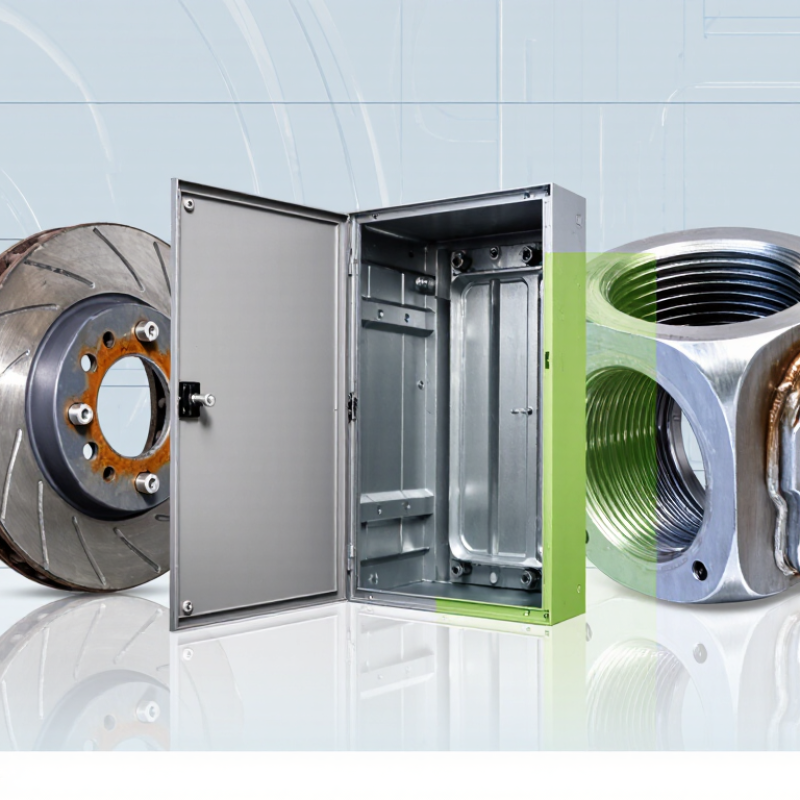
2026 How to Choose Zinc Iron Plating for Global Buyers?

What Zinc Iron Plating Is and How It Protects Metal Surfaces

Zinc iron plating is an electroplated alloy coating applied to steel and selected iron-based parts. It places a zinc-rich layer between the metal surface and a damp, oxygen-filled environment. Zinc protects mainly by sacrificing itself, while the iron component can improve hardness, coating stability, and corrosion resistance. The result is not a decorative skin alone. It is a working barrier.

During service, moisture may reach a small scratch or sharp edge. Zinc can corrode preferentially and reduce the attack on exposed steel. A conversion coating, sealant, or topcoat often strengthens this protection. The surface may shift from bright silver to a duller tone as corrosion products develop. That change is not always failure. However, red rust on the base metal demands investigation.

Good selection requires more than requesting “zinc iron plating.” Buyers should confirm coating thickness, alloy range, passivation type, appearance, and required corrosion testing. Threaded holes, recesses, and edges deserve special inspection because current distribution can create uneven coverage. Clean steel is essential. Oil, scale, and poor rinsing can undermine an excellent plating process.

Test data helps, but it has limits. Salt-spray hours cannot perfectly predict outdoor service. Real humidity, temperature cycling, abrasion, and trapped water may behave differently. I would also review hydrogen-embrittlement controls for high-strength steel parts. The specification should identify the substrate, post-treatment, inspection method, and acceptable defects. Small details matter here. A coating chosen only by appearance may disappoint after installation.

Which Zinc Iron Plating Types Suit Different Industrial Applications

Choosing zinc iron plating starts with the application, not the finish color. Low-iron zinc iron, usually containing about 0.3–1% iron, suits fasteners, brackets, and general hardware. It offers familiar corrosion protection and good forming behavior. Higher-iron deposits, often near 8–15% iron, can provide stronger barrier performance and improved paint adhesion. They fit automotive underbody parts, hydraulic components, and enclosed assemblies. However, composition varies by process and supplier. ISO 4042 and ASTM B633 should guide thickness, appearance, and testing requirements.

Alkaline zinc iron plating supports uniform coverage on complex shapes, such as threaded bolts and stamped clips. Acid systems can deliver faster deposition and bright appearances, but recess coverage may need closer control. The NACE IMPACT study estimated global corrosion costs at about 3.4% of global GDP, or roughly 2.5 trillion dollars annually. That figure explains the business case for durable coatings, but it does not make every zinc iron system suitable. Salt-spray hours alone can mislead. Real service conditions include humidity, road salt, temperature cycles, friction, and assembly damage.

Tips: Specify base metal, coating thickness, iron percentage, passivation, and hydrogen-relief needs. Ask for neutral salt-spray results under ASTM B117, but request cyclic corrosion testing when outdoor exposure matters. Check torque-tension behavior on fasteners. A coating that survives testing may still fail during installation. That uncomfortable detail is often overlooked. Select the least complex process that meets the actual environment, then verify it with production samples and independent testing.

2026 How to Choose Zinc Iron Plating for Global Buyers? — Which Zinc Iron Plating Types Suit Different Industrial Applications

Zinc-Iron Plating Type Typical Iron Content in Deposit Recommended Industrial Applications Common Base Materials Typical Coating Thickness Corrosion-Protection Profile Temperature Capability Key Advantages Main Limitations Relevant Standards or Verification Points
Alkaline Zinc-Iron with Trivalent Passivation Approximately 0.3–1.0% iron, depending on bath chemistry and process control. Automotive brackets Fasteners Stamped parts General machinery Low-carbon steel, medium-carbon steel, and iron-based stamped components. Usually 5–15 μm; higher thicknesses may be specified for severe exposure, subject to dimensional requirements. Good to very good when combined with a suitable trivalent passivation and, where required, a sealer. Salt-spray performance varies substantially by finish and test method. Suitable for normal under-hood and general industrial service. Long-term exposure above approximately 120°C should be validated for the complete finish system. Uniform coverage, good appearance, strong availability, and compatibility with automated barrel or rack plating. Hydrogen embrittlement risk remains relevant for high-strength steel. Corrosion performance depends on passivation, sealer, thickness, and post-treatment. Specify coating thickness, Fe content, passivation color, sealer, adhesion, dimensional tolerance, and hydrogen-relief baking where applicable. ISO 4042 and ISO 19598 may be used as reference frameworks.
Acid Zinc-Iron Plating Approximately 0.4–1.5% iron, depending on electrolyte composition, current density, and operating conditions. Decorative hardware Electrical components High-throughput parts Flat or simple geometries Steel, iron, and selected conductive ferrous components prepared for electroplating. Commonly 5–12 μm for general-purpose parts; the required thickness should be confirmed at high-current-density areas and recesses. Good corrosion resistance with an appropriate trivalent passivation. Distribution on deep recesses can be less uniform than with some alkaline systems. Generally suitable for ambient and moderate-temperature service. Validate performance when continuous exposure exceeds approximately 100–120°C. High deposition efficiency, bright appearance, and good productivity for suitable part geometries. More sensitive to current distribution and geometry. Brighteners and bath maintenance can strongly affect deposit properties. Control deposit composition, thickness distribution, appearance, adhesion, and corrosion testing. Neutral salt-spray testing should be performed using an agreed standard and acceptance criterion.
Zinc-Iron with Trivalent Blue or Clear Passivation Typically about 0.3–1.0% iron in the zinc-iron layer; passivation does not substantially change the bulk alloy composition. Indoor equipment Consumer hardware Electrical enclosures Light industrial parts Low-carbon steel, sheet-metal parts, screws, clips, and small stamped components. Commonly 5–10 μm, selected according to exposure class, design tolerance, and required corrosion life. Good basic protection and a clean silver-blue appearance. A sealer can improve resistance to white corrosion and handling damage. Best suited to ambient indoor conditions and moderate outdoor exposure after validation. Cr6+-free option, attractive appearance, and broad use for general-purpose components. Usually lower corrosion endurance than thicker systems with robust sealers or topcoats. Appearance can change after heat or prolonged UV exposure. Confirm hexavalent-chromium-free status, passivation type, thickness, color tolerance, and corrosion-test requirements. ISO 19598 provides a reference for zinc and zinc-alloy coatings with chromium(VI)-free passivation.
Zinc-Iron with Black Trivalent Passivation Normally approximately 0.3–1.0% iron in the alloy deposit; the black appearance is produced by the post-treatment system. Automotive interior parts Visible hardware Machine fittings Dark-finish assemblies Steel and iron components where a dark appearance is required. Typically 8–15 μm, including the plating and specified post-treatment system. Moderate to good corrosion resistance, depending strongly on the black passivation, sealer, handling, and topcoat. Use within the temperature range validated for the complete black finish. High heat may cause fading or a change in appearance. Provides a dark decorative finish while retaining the sacrificial protection of zinc-based plating. Color uniformity can be difficult on complex geometries. Black finishes may show handling marks and can have lower corrosion performance without a sealer. Define color tolerance, gloss, coating thickness, adhesion, rub resistance, and corrosion acceptance criteria separately from the base alloy requirement.
Zinc-Iron with Organic Sealer or Topcoat Usually about 0.3–1.0% iron in the underlying zinc-iron deposit; the sealer or topcoat adds a barrier layer. Outdoor equipment Chassis parts Construction hardware High-corrosion areas Steel and iron components exposed to humidity, road salts, industrial atmospheres, or intermittent wet service. Commonly 8–20 μm total system thickness, with the exact value divided between zinc-iron, passivation, and topcoat. Very good compared with unsealed zinc-iron because the topcoat adds barrier protection. Performance must be confirmed on the complete multilayer system. Often suitable for moderate-temperature service; verify the topcoat's continuous-use temperature, especially near engines or heat sources. Improved resistance to white corrosion, better protection in cyclic humidity, and greater flexibility in color and friction control. Higher cost, more process steps, possible changes in coefficient of friction, and greater sensitivity to curing conditions. Specify layer structure, dry-film thickness, cure conditions, friction coefficient where relevant, adhesion, and cyclic corrosion or neutral salt-spray requirements.
Zinc-Iron for High-Strength Steel with Hydrogen-Relief Treatment Commonly about 0.3–1.0% iron, selected according to the plating process and required corrosion system. Grade 10.9/12.9 fasteners Springs Safety-critical hardware High-load components High-strength steel, hardened steel, spring steel, and other components susceptible to hydrogen embrittlement. Frequently 5–12 μm, although the design value depends on corrosion requirements, thread fit, and dimensional limits. Good corrosion protection when the plating and post-treatment are properly controlled. Corrosion resistance alone does not demonstrate resistance to hydrogen embrittlement. Service temperature depends on steel hardness, tempering condition, plating system, and relief-bake procedure; validate for the actual component. Can combine zinc-iron corrosion protection with controlled processing for high-strength parts. Requires strict control of cleaning, pickling, plating time, baking, storage, and delayed fracture testing. Over-baking can affect mechanical properties. Specify hardness or tensile-strength threshold, hydrogen-relief baking time and temperature, delay-before-bake, sampling plan, and mechanical acceptance criteria. ISO 4042 and applicable fastener specifications should be reviewed.
Zinc-Iron for Threaded or Tight-Tolerance Components Typically approximately 0.3–1.0% iron, with the deposit selected for corrosion protection and controlled dimensional build-up. Bolts and nuts Threaded inserts Precision fittings Moving interfaces Carbon steel, alloy steel, and machined ferrous components with defined thread or fit requirements. Often 5–10 μm for controlled-fit parts; the final limit must account for plating thickness on both mating surfaces. Good protection when the coating is uniform and protected by suitable passivation or topcoat. Validate thermal exposure because temperature can affect sealers, lubricants, friction, and torque-tension behavior. Can provide corrosion resistance together with a defined appearance and, when specified, controlled friction behavior. Thickness variation can alter assembly torque, clamp load, thread fit, and electrical contact resistance. Lubricant compatibility must be checked. Specify coating thickness by location, torque-tension or coefficient-of-friction requirements, thread class, contact resistance if needed, and dimensional inspection method.

Buyer’s specification note: Corrosion-life values for zinc-iron plating cannot be determined from alloy type alone. Before purchase, define the substrate grade, coating thickness, iron-content range, passivation, sealer or topcoat, appearance, dimensional limits, hydrogen-relief requirements, and the applicable corrosion-test method. Neutral salt-spray hours are comparative laboratory data and should not be treated as a direct prediction of field life.

How to Compare Coating Thickness, Alloy Ratios, and Corrosion Resistance

2026 How to Choose Zinc Iron Plating for Global Buyers?

Choosing zinc iron plating starts with measurable coating thickness, not appearance. A bright silver surface can hide uneven coverage. Specify minimum local thickness in micrometres, then confirm it through XRF or magnetic testing. ISO 4042 and ASTM B633 provide useful frameworks for electroplated fasteners and steel parts. Thicker coatings generally provide longer sacrificial protection, but thickness alone cannot predict field performance. Poor cleaning, sharp edges, and damaged threads may still create early corrosion.

Alloy ratio also matters. Zinc iron chemistry varies by process, so buyers should request the measured iron percentage and its tolerance. The wrong ratio may reduce ductility, adhesion, or salt-spray performance. Ask for coating composition, passivation type, sealer details, and hydrogen-relief controls. The NACE IMPACT study estimated global corrosion costs at about 3.4% of worldwide GDP. That figure shows why a small plating decision deserves engineering review. ISO 9227 salt-spray hours are useful for comparison, but they do not directly equal outdoor service years.

Tips: Compare identical test panels, substrate grades, thickness ranges, and corrosion-test conditions. Require batch records and independent inspection for critical parts. Salt spray is not reality. I have seen attractive samples fail around threads and cut edges. That is where specifications need another review. Temperature, humidity, road salt, and assembly damage should shape the final coating choice.

2026 How to Choose Zinc Iron Plating for Global Buyers?

Comparison of typical coating thickness, iron content, and neutral salt spray resistance for zinc and zinc-iron electroplated finishes.

Finish Typical Thickness Typical Iron Content Representative NSS to Red Rust
Zinc plating 8–12 μm 0% Fe 96–168 hours
Zinc-iron plating 8–12 μm 0.3–1.0% Fe 240–480 hours

The chart uses representative midpoint values from commonly specified electroplated finishes: 10 μm coating thickness, 0% iron for zinc, and approximately 0.65% iron for zinc-iron. Actual corrosion performance depends on substrate preparation, chromate or passivation type, sealing, coating uniformity, environment, and test method. Neutral salt spray results should therefore be confirmed against the applicable ISO 9227 or ASTM B117 requirement.

What Global Buyers Should Check in Quality, Standards, and Certification

Global buyers should judge zinc iron plating through measured evidence, not a polished quotation. The 2024 International Lead and Zinc Study Group report placed refined zinc usage near 14 million tonnes in 2023, showing the scale of this supply chain. Yet volume does not guarantee coating reliability. Ask for coating thickness records, bath-control results, adhesion tests, and salt-spray reports linked to the exact production lot. A 5, 8, or 12 micrometre coating may suit different environments, but thickness alone cannot predict service life.

Check whether the specification follows ISO 2081 or ASTM B633 for zinc coatings on iron and steel. For threaded fasteners, ISO 4042:2022 helps control dimensional changes, lubrication, and hydrogen-related risks. Request the passivation type, friction coefficient, and hexavalent-chromium statement. RoHS and REACH declarations may also matter for international sales. Certificates should identify the laboratory, test method, date, sample number, and accreditation status. A certificate without traceability is weak evidence.

During factory audits, buyers often overlook rinsing quality and rack marks near threads. These small details can become red rust at the customer’s site. Salt-spray hours are useful for comparison, not a direct forecast of outdoor life. ASTM B117 exposure can expose process variation, but it cannot recreate every climate. I would also compare three production lots, not one perfect sample. That takes longer. It prevents false confidence. Be cautious when a supplier refuses raw test data or offers only a generic “pass” statement. Reliability is built from repeatable records, controlled chemistry, and honest limits.

How to Evaluate Suppliers, Costs, Lead Times, and Export Requirements

2026 How to Choose Zinc Iron Plating for Global Buyers?

Zinc-iron plating should be evaluated against service conditions, not appearance alone. The AMPP IMPACT study estimated global corrosion costs at about 3.4% of GDP. That figure makes coating reliability a purchasing issue, not merely a finishing choice. Ask suppliers for alloy percentage, coating thickness, hydrogen-relief procedures, salt-spray results, and adhesion records. ISO 4042 and ASTM B633 can help define coating classes, but they do not replace application-specific testing.

Compare total landed cost. Include pretreatment, plating, masking, inspection, packaging, freight, insurance, duties, and currency risk. A low unit price can hide expensive rework. Request a sample lot and a clear price-break table. Also check whether the supplier measures thickness by X-ray fluorescence or another calibrated method. The International Lead and Zinc Study Group’s October 2024 report projected continued growth in refined zinc usage for 2025, so raw-material volatility deserves a contract adjustment clause.

Lead time should separate tooling, sampling, production, inspection, and transit. A practical quotation should show each stage. Export files may include the commercial invoice, packing list, certificate of origin, HS classification, and test reports. Destination requirements can also involve chemical declarations, restricted-substance statements, or customer-specific documentation. Verify these requirements before production. A perfect forecast is impossible. I would keep a small schedule buffer, even when the supplier promises speed. That decision feels conservative, but one delayed vessel can cost more than several weeks of planning.

FAQS

What is zinc iron plating?

It is an electroplated alloy coating for steel and selected iron-based parts. It creates a zinc-rich barrier against moisture and oxygen. Not merely decorative.

How does zinc iron plating protect steel?

Zinc corrodes before exposed steel when moisture reaches a scratch. This sacrificial action can slow red rust on the base metal. Edges remain vulnerable.

Does a duller surface mean the coating has failed?

Not always. Corrosion products may change a bright silver surface into a duller tone. Red rust on the underlying steel needs investigation.

Which coating details should buyers specify?

Specify minimum local thickness in micrometres, alloy percentage, passivation type, and sealer details. Also identify the steel substrate, inspection method, and acceptable defects. Appearance alone is insufficient.

Why does coating thickness matter?

Greater thickness usually provides longer sacrificial protection. However, uneven coverage can still cause early corrosion. Measure difficult areas, not just flat surfaces.

How should alloy composition be checked?

Request the measured iron percentage and its tolerance from each production batch. Incorrect chemistry may reduce ductility, adhesion, or corrosion resistance. The ratio matters.

Which areas need extra inspection?

Inspect threaded holes, recesses, sharp edges, and cut surfaces carefully. Electrical current may distribute unevenly in these locations. Threads can fail first.

Can salt-spray test hours predict outdoor service life?

They help compare identical panels and test conditions. They cannot directly equal outdoor service years. Humidity, temperature changes, abrasion, trapped water, and road salt behave differently.

What preparation and quality controls are important?

Steel must be free from oil, scale, and poor rinsing residues before plating. Critical parts may need batch records and independent inspection. High-strength steel also requires hydrogen-embrittlement controls. Small details matter.

Conclusion

Choosing Zinc Iron Plating requires a clear understanding of how the coating protects steel and other metal surfaces from corrosion, wear, and environmental exposure. The right plating type depends on the application, operating conditions, base material, and performance requirements. Global buyers should compare coating thickness, zinc-to-iron alloy ratios, surface finish, adhesion, and verified corrosion resistance to ensure the product meets its intended service life.

A reliable purchasing decision also involves checking quality controls, testing methods, technical documentation, and relevant industry certifications. Buyers should evaluate suppliers according to production capacity, consistency, customization options, total cost, minimum order requirements, lead times, packaging, and export documentation. By reviewing samples, inspection reports, and clear specifications before placing an order, companies can reduce quality risks and select a Zinc Iron Plating solution that offers dependable protection, predictable delivery, and strong long-term value.


Aria

Aria

Aria is a dedicated marketing professional with a deep passion for innovative strategies and a keen understanding of our company's product offerings. With a wealth of experience in the industry, Aria excels at crafting engaging content that highlights the unique features and benefits of our......